VisitGiza.com
Your complete guide to the last surviving Wonder of the Ancient World
Visit Live SiteThe Great Pyramids
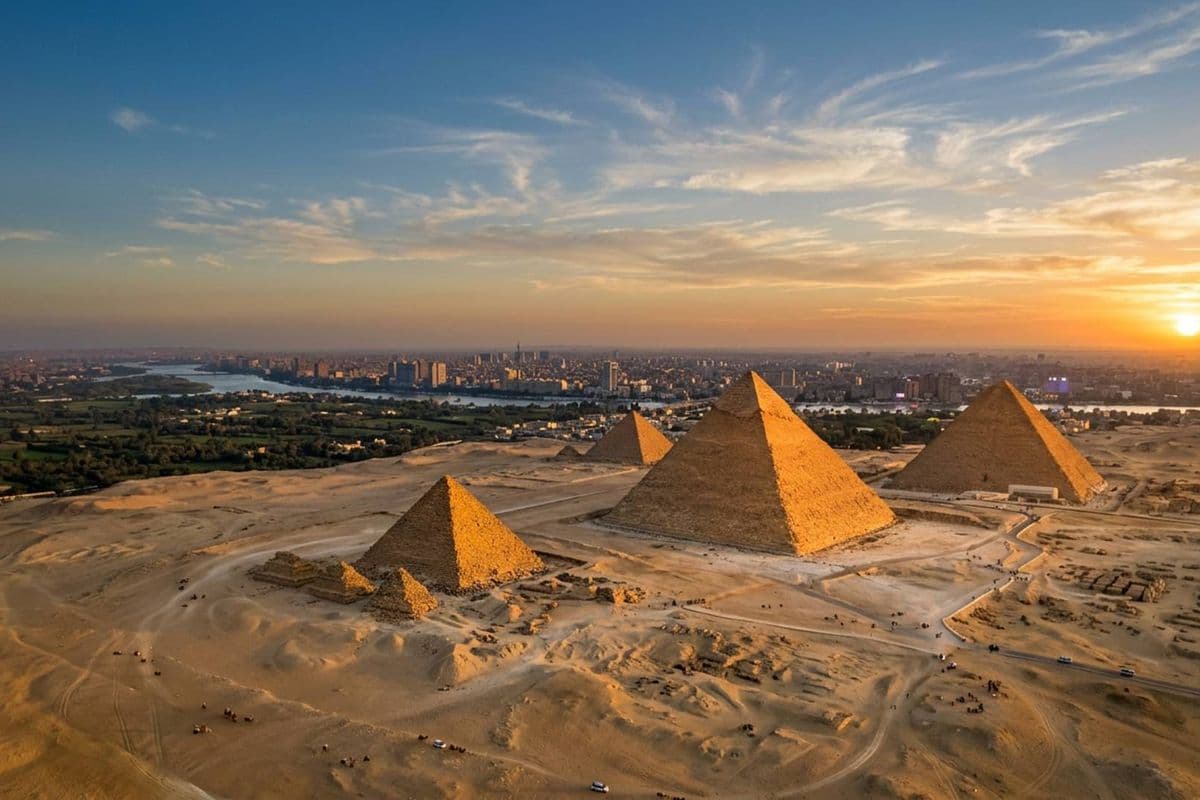
The Giza Plateau, just outside Cairo, is home to the Great Pyramid of Khufu — the last surviving Wonder of the Ancient World — alongside the pyramids of Khafre and Menkaure and the enigmatic Great Sphinx.
Built over 4,500 years ago during Egypt's Old Kingdom, the Great Pyramid originally stood at 146 meters and remained the tallest man-made structure on Earth for nearly 3,800 years. The precision of its construction, with over 2.3 million limestone blocks averaging 2.5 tonnes each, continues to astound engineers and archaeologists to this day.
Designated a UNESCO World Heritage Site in 1979, the Giza Necropolis draws millions of visitors annually. The complex includes the three main pyramids, the Great Sphinx stretching 73 meters in length, several smaller queens' pyramids, causeways, and the remains of the workers' village that once housed the thousands who built these monuments.
Beyond the ancient monuments, modern Giza offers a living Egyptian experience — bustling markets, aromatic street food stalls serving koshari and ta'ameya, and rooftop cafes with surreal views of the pyramids rising above residential neighborhoods. The nearby Grand Egyptian Museum, one of the largest archaeological museums in the world, adds a major new dimension to any visit.
What We Built
A comprehensive digital platform with 183 pages of content to help travelers plan and book their perfect Giza experience
Bookable Tours
Pyramid excursions, camel rides, Sound & Light shows, and day trips to Saqqara and Memphis — all instantly bookable via Viator
In-Depth Articles
Comprehensive guides covering history, visitor tips, best times to visit, photography spots, and cultural etiquette
Accommodations
Hand-picked hotels and guesthouses from pyramid-view luxury resorts to authentic local stays, bookable via Booking.com
Restaurant Guide
Curated listings of local eateries serving authentic Egyptian cuisine from kushari and ful medames to grilled kofta
Interactive Maps
Detailed maps of the Giza Plateau, nearby areas, and transit routes to help you navigate the complex and surroundings
AI Recommendations
Personalized suggestions for tours, dining, and itineraries based on your interests, season, and travel style
We Know
These Stones
The details that make a guide worth trusting come from time spent on the ground, not from a desk.
Sunrise Before the Crowds
The pyramids at dawn are a different world. We learned that arriving at the plateau before 7 AM in winter means you can stand at the base of Khufu with only a handful of other people and watch the limestone turn from cool grey to warm gold as the sun clears the horizon. That window — maybe 45 minutes before the tour buses arrive — is the single best experience Giza offers, and it shaped how we structure every itinerary recommendation on the site.
Conversations with Egyptologists
Some of the most valuable content on VisitGiza came not from research papers but from conversations with local Egyptologists who have spent decades working on the plateau. They share stories you will not find in any textbook — how the workers' graffiti inside the relieving chambers above the King's Chamber reveals crew names and humor from 4,500 years ago, or why the alignment of the three pyramids might not map to Orion's Belt at all. Those conversations are the reason our articles go deeper than the usual tourist-guide fare.
The Best Kushari Near the Pyramids
Every food guide tells you to eat kushari in downtown Cairo. Fair enough. But the best bowl we found was at a no-name stall on a side street in Nazlet El-Semman, the village that backs right up to the plateau. Lentils, rice, pasta, crispy onions, and a spicy tomato sauce that costs almost nothing and tastes like it was perfected over generations — because it was. Finding places like this, ones that never appear on TripAdvisor, is why we built the restaurant guide the way we did: by walking the streets and eating, not by scraping review sites.
Pyramids from a Rooftop Cafe
Nothing prepares you for the first time you see the Great Pyramid framed between apartment buildings and satellite dishes while sipping hibiscus tea on a plastic chair three stories up. Giza is not a remote archaeological park — it is a living city where 4,500-year-old monuments share the skyline with laundry lines and minarets. That surreal collision of ancient and everyday is what makes Giza unlike any other heritage site on earth, and it is the perspective we tried to capture across the entire platform rather than treating the pyramids as something sealed off behind a ticket gate.
Explore Other Destinations

Want a Site Like This?
Let's build a powerful digital presence for your destination with our proven platform and AI-driven technology.
Get Started